Rome Guided tour Audio guide in English
Free Walking Tours Rome Guided tour
Visit the surroundings
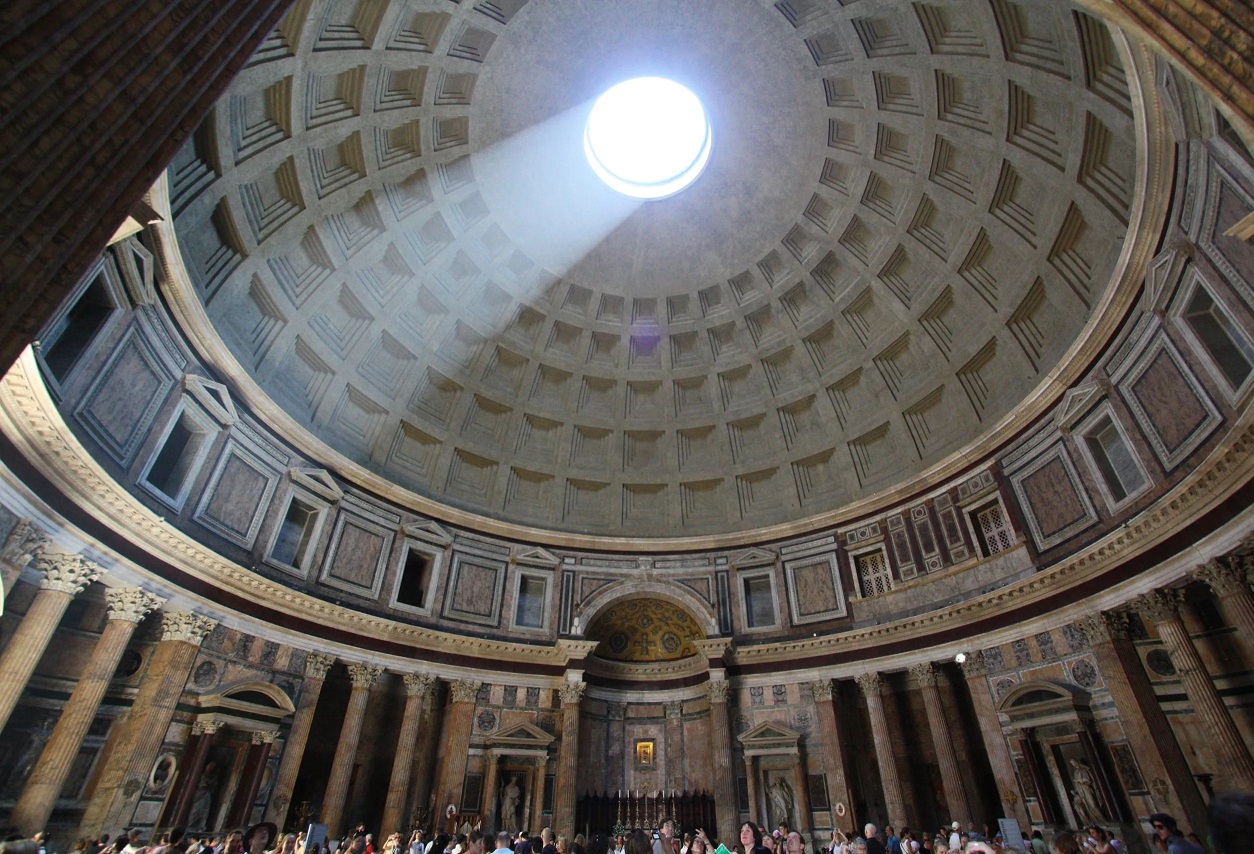
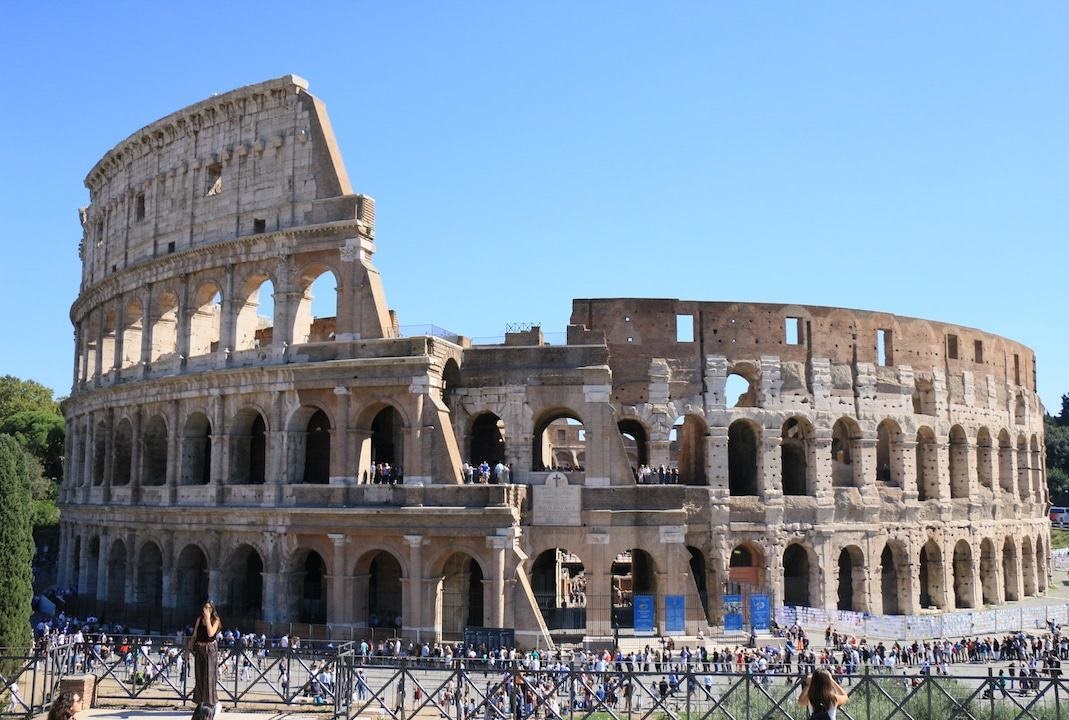
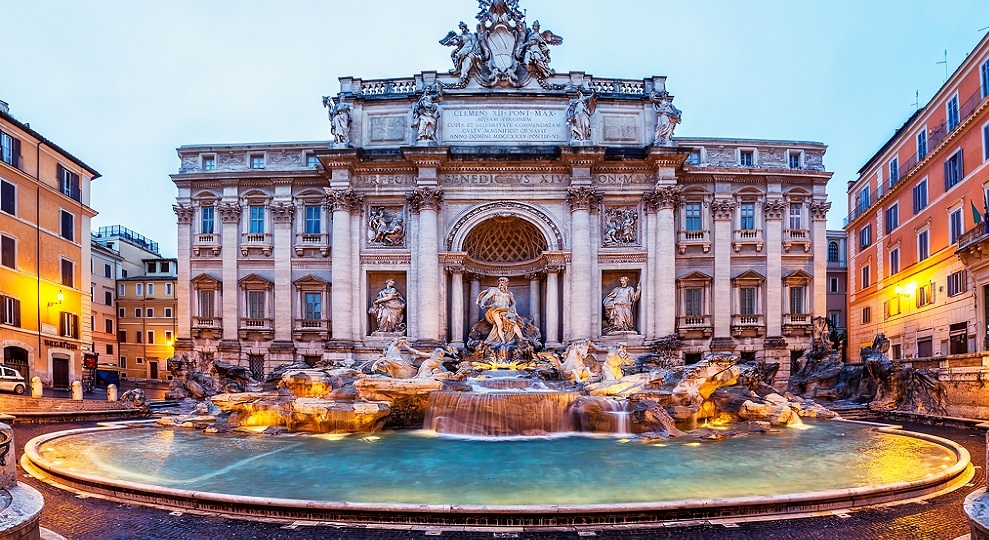
What to do in Rome? Are you in Rome for a few days, a weekend, or just a day? Discover the essentials of Rome and visit its must-see sights in one day! This tour allows you to explore both ancient Rome and the historic center to understand the history of the Eternal City and admire some of its most iconic landmarks, from the Colosseum to the Pantheon, including the Trevi Fountain and the charming alleyways that give the Italian capital its unique character.
The history of Rome spans more than twenty-eight centuries, from its mythical founding by Romulus in 753 BC to its current role as the capital of the Italian Republic. The second cradle of Western civilization after Athens, the city was successively the center of the Roman Monarchy, the Roman Republic (509 BC – 27 BC), and then the Roman Empire (27 BC – 286 AD). During this period, which gave rise to the famous proverbial expression "all roads lead to Rome," the city is estimated to have had between one and two million inhabitants and dominated Europe, North Africa, and the Middle East both militarily and culturally, spreading the Latin language, its arts and techniques, and the Christian religion throughout these territories. Since the 1st century, it has been home to the seat of the Roman Catholic Church, first within the Papal States (752-1870) and then as Vatican City. Its ancient motto, Senatus populusque Romanus (the Senate and the People of Rome), abbreviated as S.P.Q.R., has endured through the centuries and remains the city's emblem today.
Free Walking Tour Rome
Ancient Rome
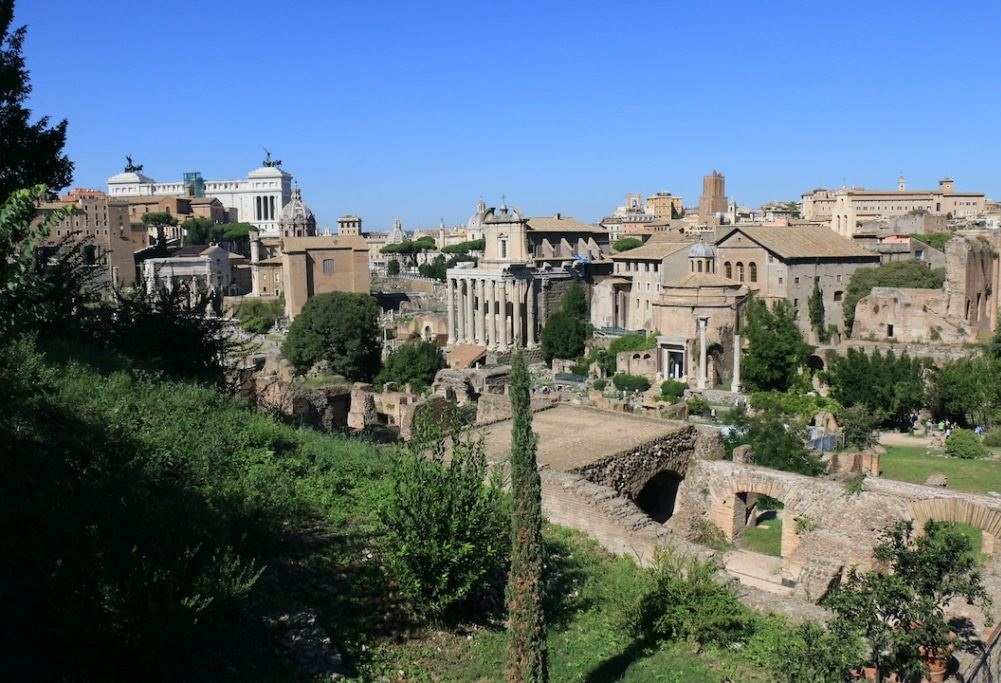
From the Capitoline Hill to the Imperial Forums, Ancient Rome is undoubtedly one of the highlights of any visit to the Eternal City. Numerous remains and sites are still visible, bearing witness to the grandeur of the city that reigned over the world for several centuries during Antiquity. Most of the monuments are concentrated south of the historic center, around the Colosseum and the Roman Forum.
The Roman Middle Ages
The Medieval Towers Walk in Rome offers a captivating immersion into the city's tumultuous history during the period known as "Roma Turrita." At this time, the Roman Middle Ages were marked by the construction of defensive towers, tower houses, and fortresses. "Roma Turrita" is characterized by the absence of a strong and consolidated central power, plunging the city into a constant state of conflict. Everyone was at war with everyone else, and every strategic point in the city was occupied, monitored, and defended.
The Renaissance
Concentrated primarily in the area between St. Peter's Basilica and the Pantheon, the Renaissance left a significant mark on Rome. Upon their return from Avignon, the popes found a dying city. Abandoned palaces and churches stood alongside the ancient ruins. And so, throughout the Eternal City, things were demolished, rebuilt, and repurposed. The Roman Renaissance is evident in the churches, in the Villa Farnesina, around the Church of Santa Maria del Popolo, and along the streets that once led pilgrims to the great Basilica of St. Peter.
Vatican City
The Vatican as we know it today, as the papal residence, only came into being at the end of the 19th century. For about a thousand years, the popes resided in the Lateran Palace, and from 1583 onwards, they lived in the Quirinal Palace. With Rome as their seat, they governed several regions that extended across the Italian peninsula and were known as the Papal States.