The Roman Forum
Audio guide in English
Historical Guided Tour
Here, we won't be discussing architecture; instead, we will tell you how each building in the Roman Forum fits into the history of ancient Rome. We will trace the lives of the figures who were its principal builders. To prepare for your visit, you can browse the timeline of the early emperors; by clicking on their first names, you will discover a brief biography outlining the major events that shaped their lives. It is these life stories—recorded here in stone—that have made the Roman Forum what it is today.
Timeline of the early emperors
History
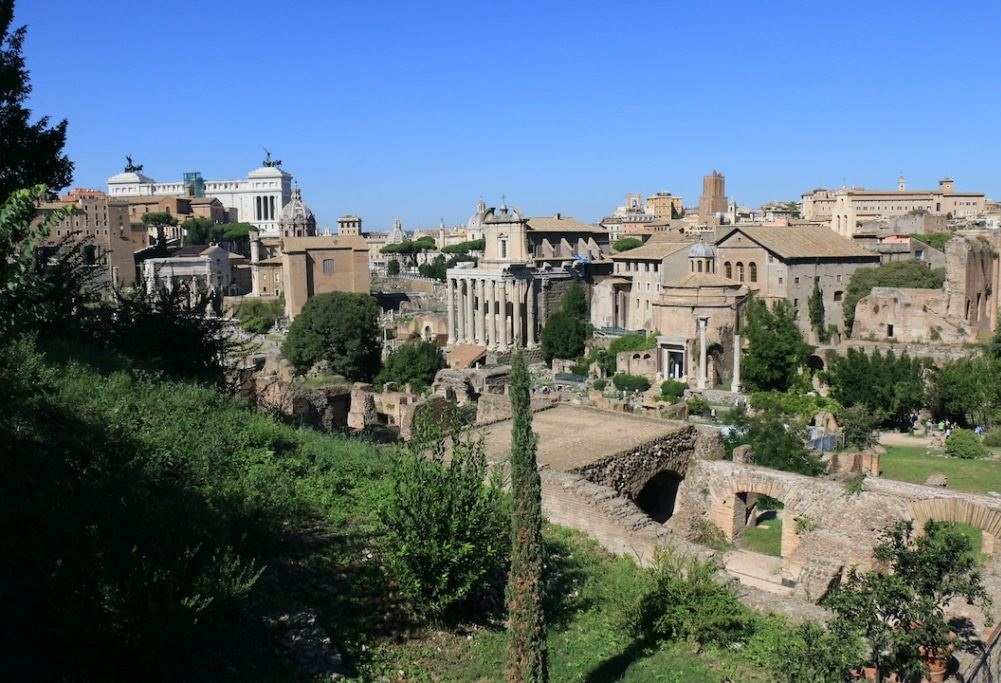
Located between the Capitoline Hill and the Colosseum, the Roman Forum stands on land that was once marshland. It was in 600 BC that the area was drained, notably thanks to the construction of the Cloaca Maxima sewer system.
Later, a large number of temples and other buildings were erected. For over 1,000 years, Romans gathered here to discuss matters related to public life, culture, and the economy of the empire. Indeed, it was the main social hub and political center where lawyers, priests, merchants, and others met.
During the period of Ancient Rome, major events such as religious ceremonies, military celebrations, weddings, and political speeches took place here.
Map of the Roman Forum
Before discussing how much time to allow, it is important to note that the Roman Forum and the Palatine Hill form a single site. You can move from one to the other without leaving the area or going through ticket checks.
A recommended 2- to 3-hour tour of the Roman Forum is best started at the entrance near the Colosseum (east side) to follow the historical route of the Via Sacra.
Tour Highlights
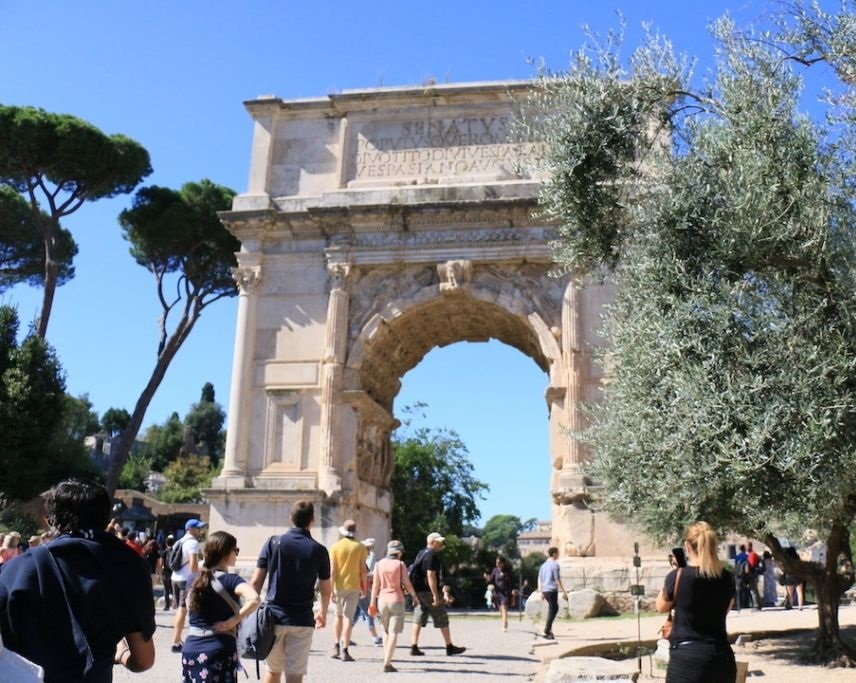
1 - Arch of Titus
An ideal starting point when arriving from the Via Sacra; erected in 81 AD to celebrate the victories of Titus.
It illustrates how the Empire's conquests were showcased in Rome.
Built after Titus's death, it commemorates the Roman victory in Judea in 70 AD, demonstrating how the Empire's conquests were showcased in Rome.
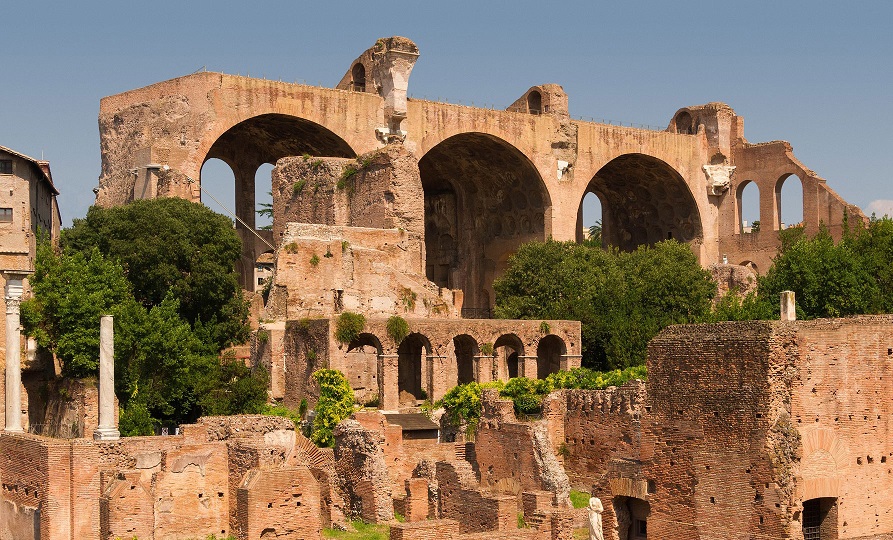
2 - Basilica of Maxentius and Constantine
Construction began under Emperor Maxentius and was completed under Constantine I. You cannot miss this imposing monument located along the Via Sacra. From the rear, the view focuses on the apse commissioned by Constantine I.
3-The Temple of Romulus
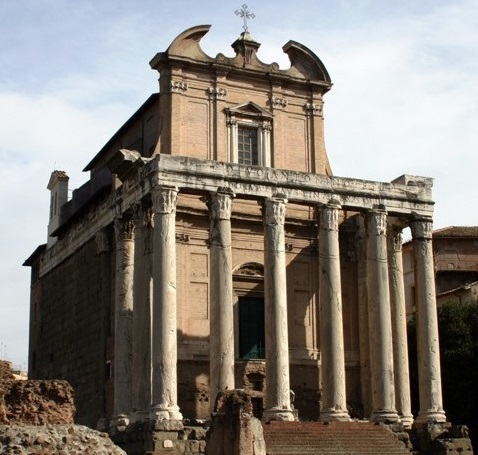
4-The Temple of Antoninus and Faustina
A remarkably well-preserved ancient structure that was converted into a church during the Middle Ages. It serves as a reminder of the power of the Antonine imperial dynasty and the role of religion in Roman authority.
5-The Temple of Vesta and the House of the Vestals
The sacred heart of the Forum, where priestesses tended Rome's eternal flame. This highlights the importance of religion in Roman society.
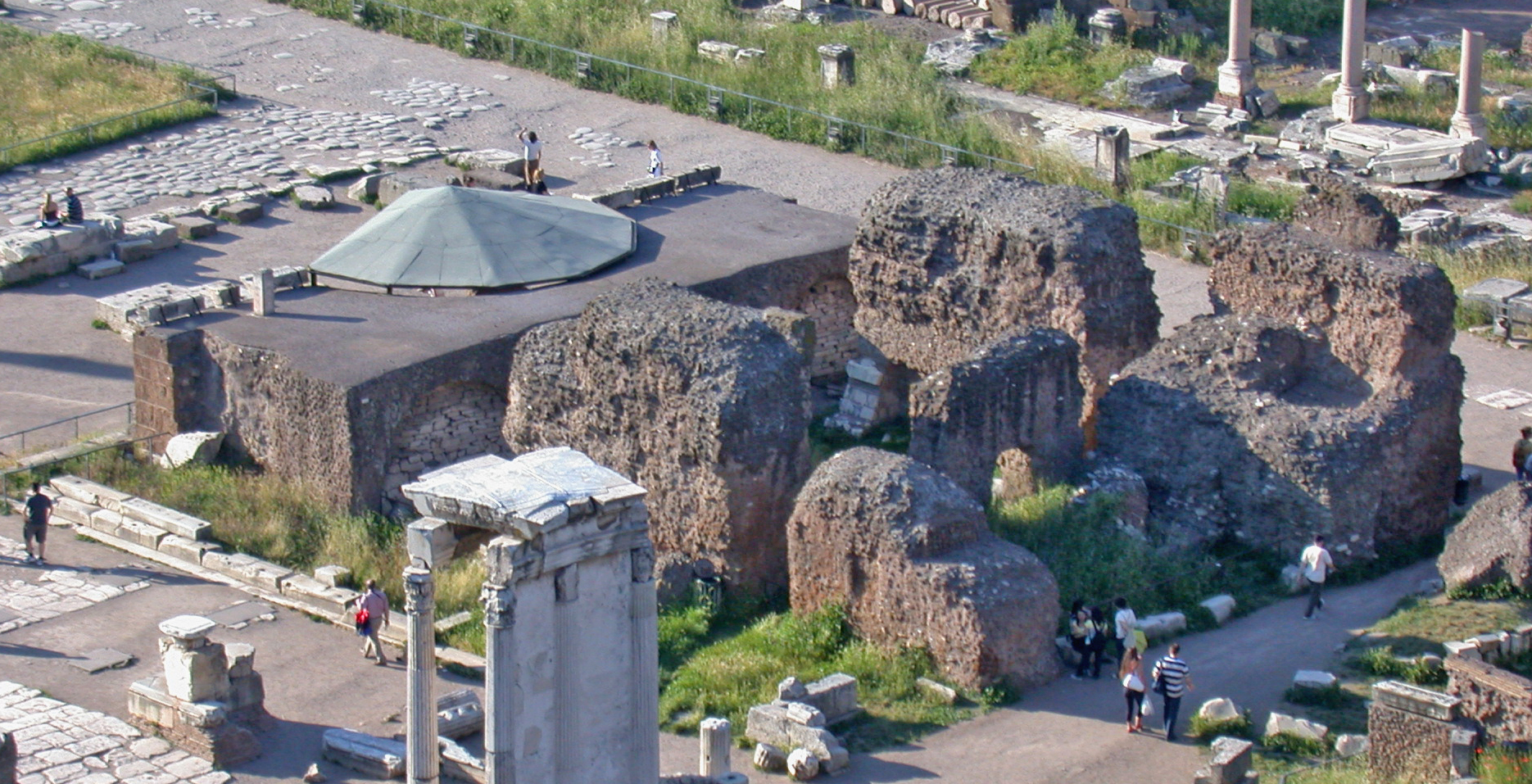
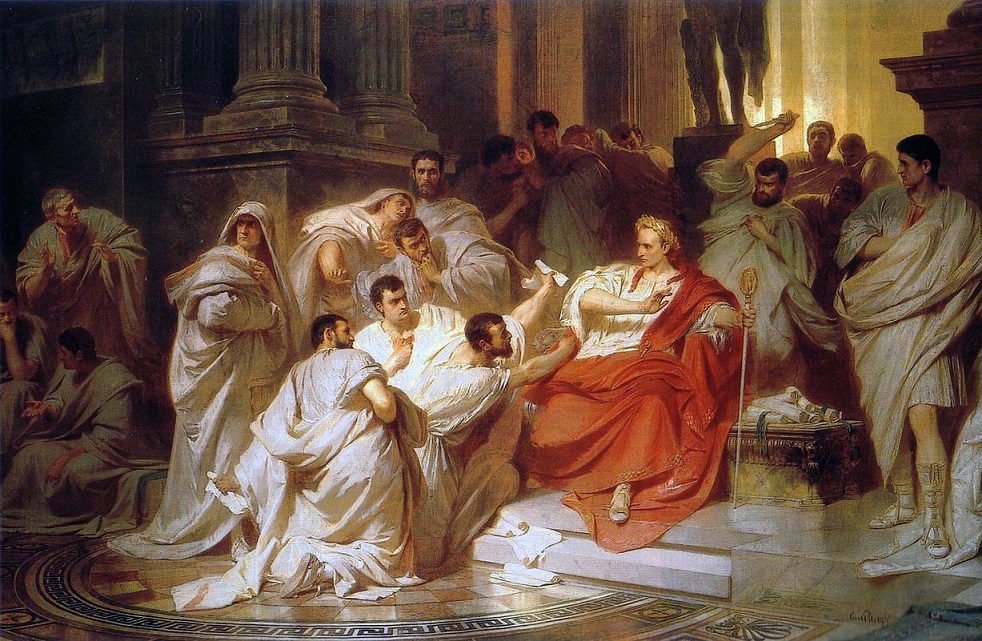
6-Temple of Caesar
Today, the Temple of Julius Caesar is reduced to the remains of its concrete podium and a circular altar marking the site of his cremation.
A hollowed-out space amidst the ruins where Julius Caesar's body was burned in 44 BC. Visitors still regularly leave flowers and coins there.
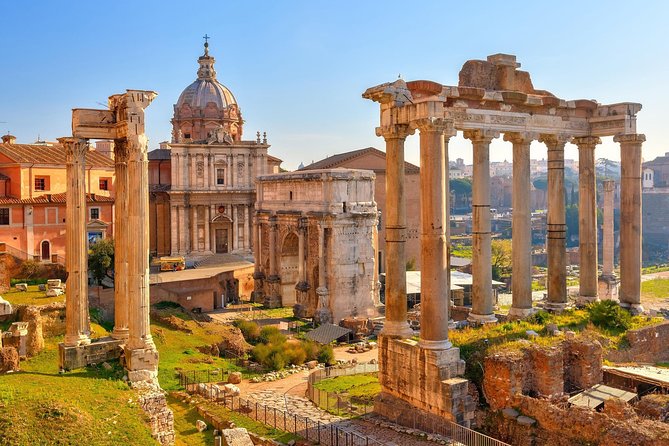
7-The Temple of Saturn
Its famous Ionic columns stand at the foot of the Capitoline Hill.
Saturn was a significant deity. The temple also housed the public treasury, illustrating the financial organization of the Roman state.
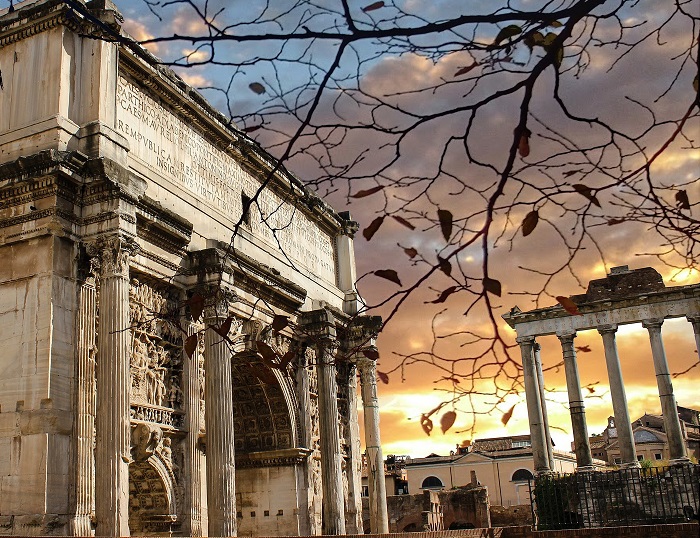
8-The Arch of Septimius Severus
Located at the western end, marking the political center of the Republic. Built in AD 203, the Arch celebrates the victories of Emperor Septimius Severus. It stands as an example of imperial propaganda, with monuments designed to glorify the emperor and his triumphs.
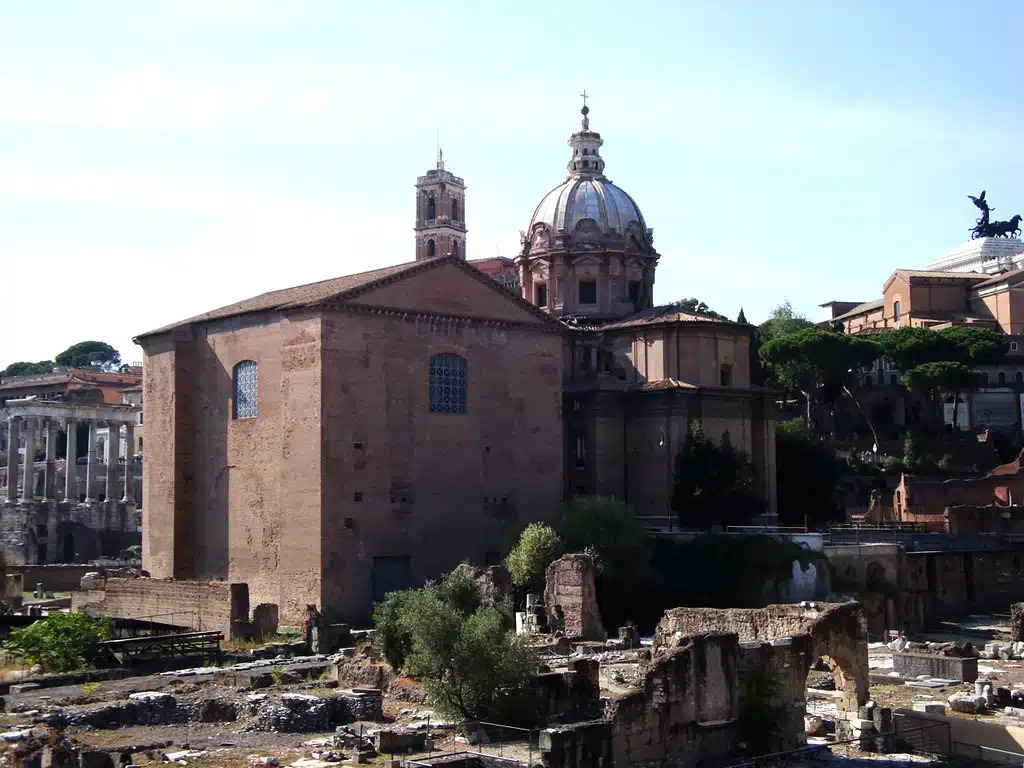
9-The Curia Julia
The former seat of the Roman Senate. This is where the senators gathered. It offers insight into how political power was organized during the Republic and later under the Empire.
Practical Tips
Duration: Allow 2 to 3 hours to explore the site at a leisurely pace.
Ticket: Access to the Roman Forum is included in the combined ticket for the Colosseum and Palatine Hill (valid for 24 hours).
Purchase tickets online in advance via the official website, as availability is limited and tickets are rarely available on-site.
Official Roman Forum website
Beware of fake "official" websites selling tickets for the Roman Forum, Colosseum, and Palatine Hill at inflated prices.
Many third-party sites buy official tickets and resell them at a much higher price by adding service fees or charging extra for guided tours. While not always outright scams, they mislead tourists by posing as the official ticket office.
Access: The main entrance is located near Via dei Fori Imperiali or the Colosseum (Metro Line B, Colosseo station).