French Federation of Historical Audioguides
Tomb of Mary Stuart
Audio guide in English
Cet audioguide est en cours de validation
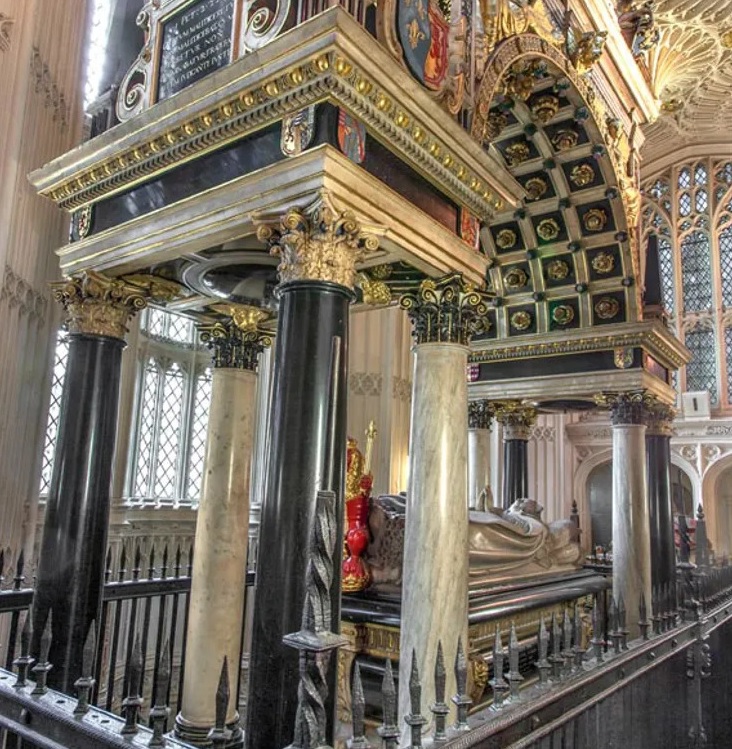
Upon the death of Mary Stuart, Queen of Scots, on February 8, 1587, she was initially buried with great solemnity in Peterborough Cathedral, by order of Elizabeth I. In 1612, James I ordered her remains transferred to Westminster Abbey.
The king had a magnificent marble tomb erected for her in the south aisle of the Chapel of the Virgin. Beneath a richly ornamented canopy lies a beautiful white marble effigy. She wears a fitted headdress, a lace ruff, and a long cloak fastened with a brooch. The sculptors were William and Cornelius Cure. A crowned Scottish lion stands at her feet. An ornamental grille, made by the blacksmith Thomas Bickford, surrounded the tomb (sold in the early 19th century, it was returned to the Dean and Chapter in 1920).
Thus, the two queens, Mary and Elizabeth I, rest in opposite aisles of Henry VII's chapel.
Next to Mary is the tomb of Margaret, Countess of Lennox, upon which kneels the portrait of her son, Lord Darnley.
Mary Stuart was born on December 8, 1542, at Linlithgow Palace.
She was crowned Queen of Scots at the Chapel Royal in Stirling Castle when she was only nine months old.
She was brought to the French court at the age of five and lived there until she was 18.
She married Francis II, the son of Catherine de Medici and Henry II, on April 24, 1558. Francis II died on December 5, 1560. A widowed dowager, Mary Stuart returned to Scotland.
She married Henry Stuart, Lord Darnley, as her second husband.
She gave birth to her only child at Edinburgh Castle. He became James VI of Scotland and I of England.
Lord Darnley was assassinated, and Mary married James Hepburn, Lord Bothwell, as her third husband.
She was imprisoned for nearly a year at Loch Leven Castle in Kinross before managing to escape.
She spent her final hours in Scotland at Dundrennan Abbey in Dumfries and Galloway, before traveling to England to seek the protection of her cousin, Queen Elizabeth I.
She was held captive in England for 18 years before Elizabeth issued her execution order. She was executed on February 8, 1587, at Fotheringhay Castle.
She was buried in Westminster Abbey, where she rests in the same chapel as her cousin, Elizabeth I.
Her son, James VI of Scotland, became James I of England, thus uniting the two crowns.
Visit the surroundings
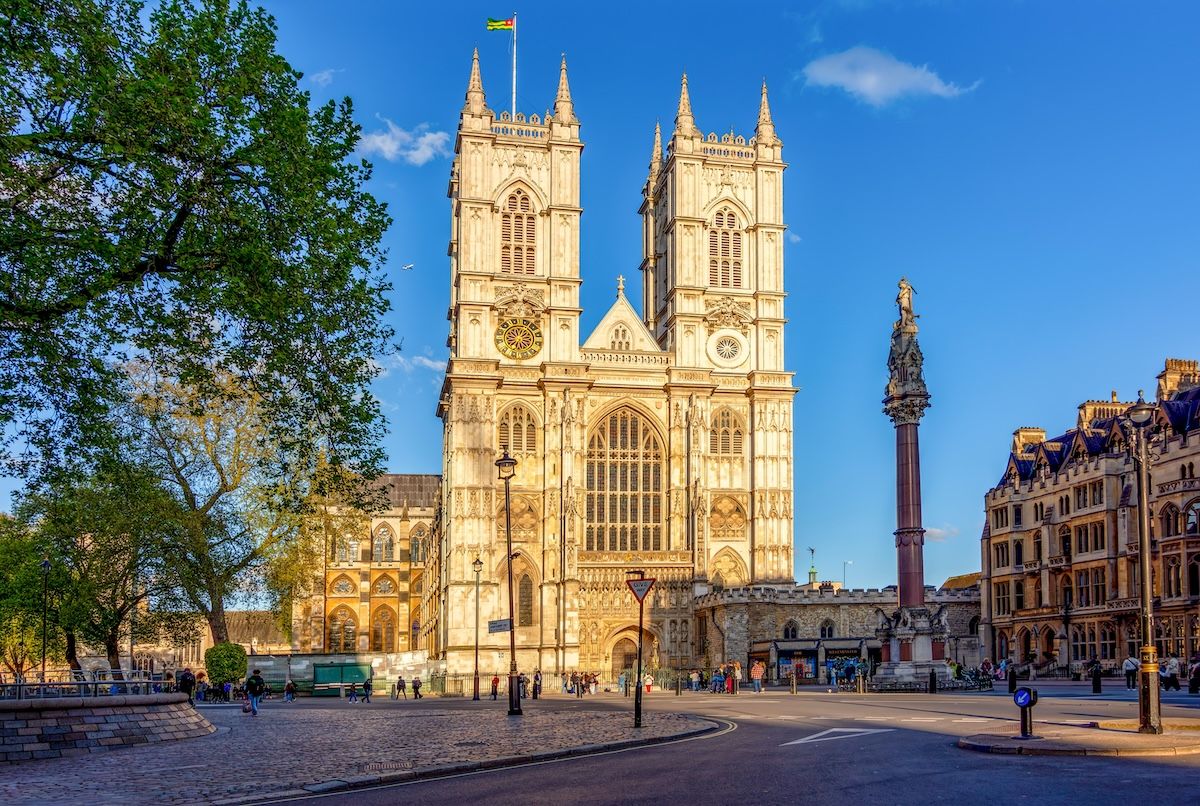
Westminster Abbey
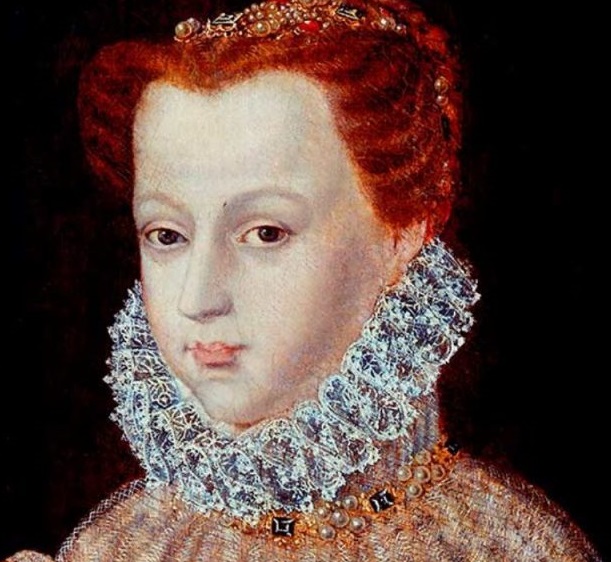
Marie Stuart
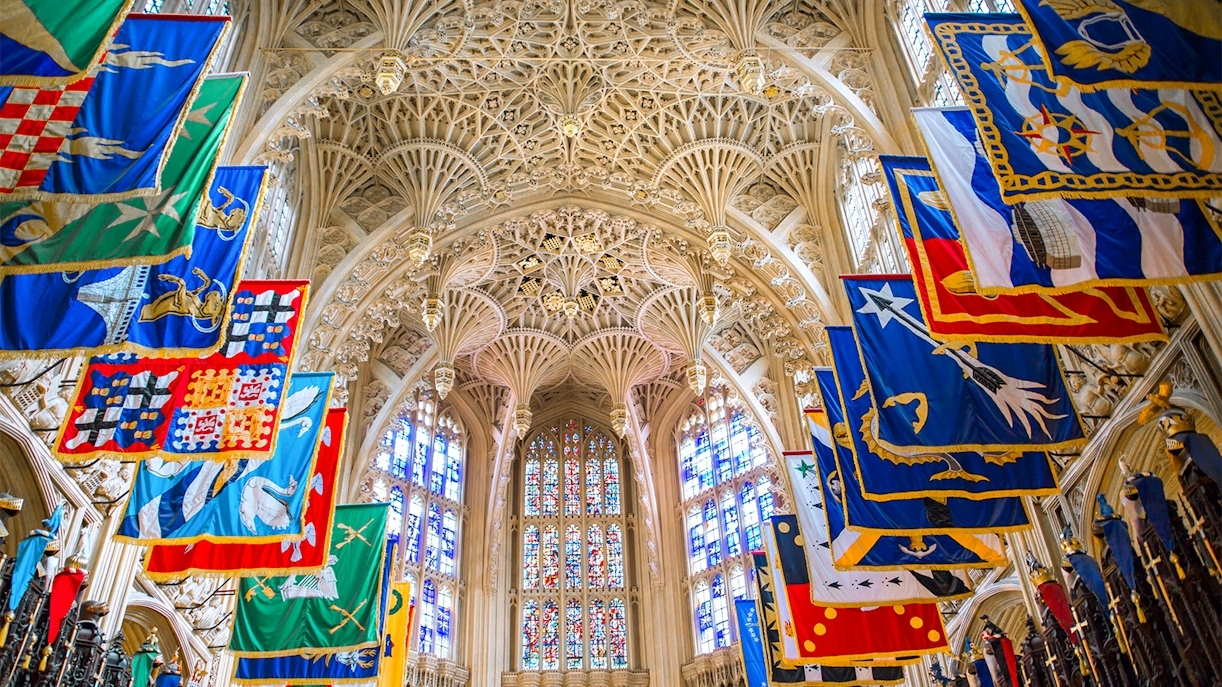
Lady Chapel
England -
Greater London -
City of Westminster -
London Guided tour