French Federation of Historical Audioguides
Sistine Chapel
Audio guide in English
Cet audioguide est en cours de validation
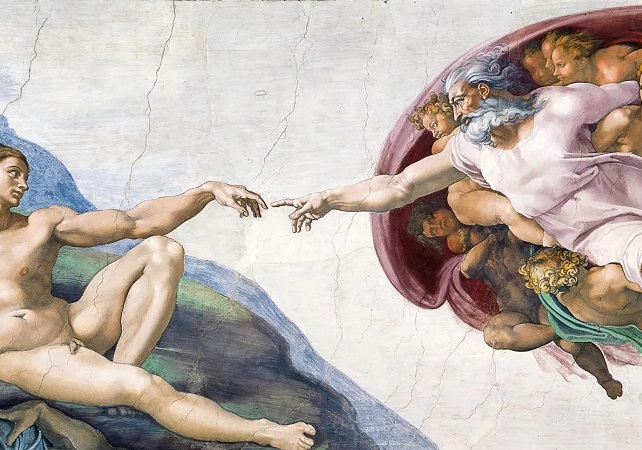
The Sistine Chapel (Italian: Cappella Sistina), originally called the Chapel of Sixtus, is one of the rooms in the Vatican Apostolic Palaces and is part of the Vatican Museums.
The Sistine Chapel is the place where, traditionally since the 15th century, the cardinals gathered in conclave elect the new pope.
Its creation was initially entrusted to a team of painters such as Pietro Perugino, Sandro Botticelli, Domenico Ghirlandaio, and Cosimo Rosselli, supported by their respective workshops and their closest collaborators, including Biagio di Antonio, Bartolomeo della Gatta, and Luca Signorelli. Pier Matteo d’Amelia painted a starry sky on the vault.
The frescoes were painted between 1481 and 1482, as were the following marble works: the balustrade, the cantoria (where the singers sat), and the papal emblem above the entrance door. On August 15, 1483, Sixtus IV consecrated the new chapel and dedicated it to Our Lady of the Assumption.
Under the orders of Pope Julius II, Michelangelo decorated the vault of the Chapel. All the frescoes on the ceiling of the Sistine Chapel are the work of this brilliant artist, who needed four years to complete the work, from 1508 to 1512, creating an unprecedented work of art that would change the course of Western art.
The nine central scenes depict episodes from Genesis, from Creation to the Fall of Man, including the Flood and the rebirth of humanity through Noah's family.
Towards the end of 1533, Clement VII de' Medici (pope from 1523 to 1534) commissioned Michelangelo to later modify the decoration of the Sistine Chapel by painting the Last Judgment on the back wall of the altar.
Visit the surroundings
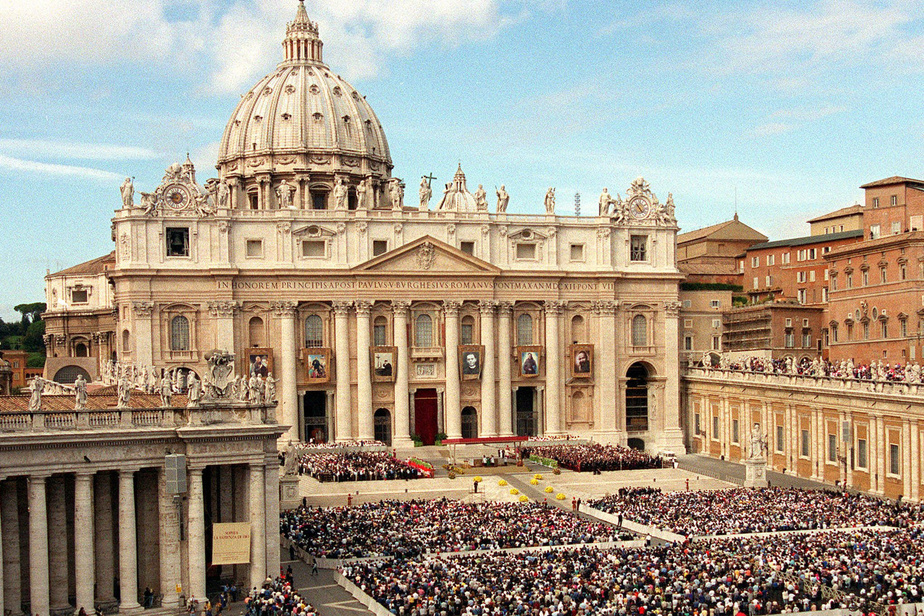
St. Peter's Basilica
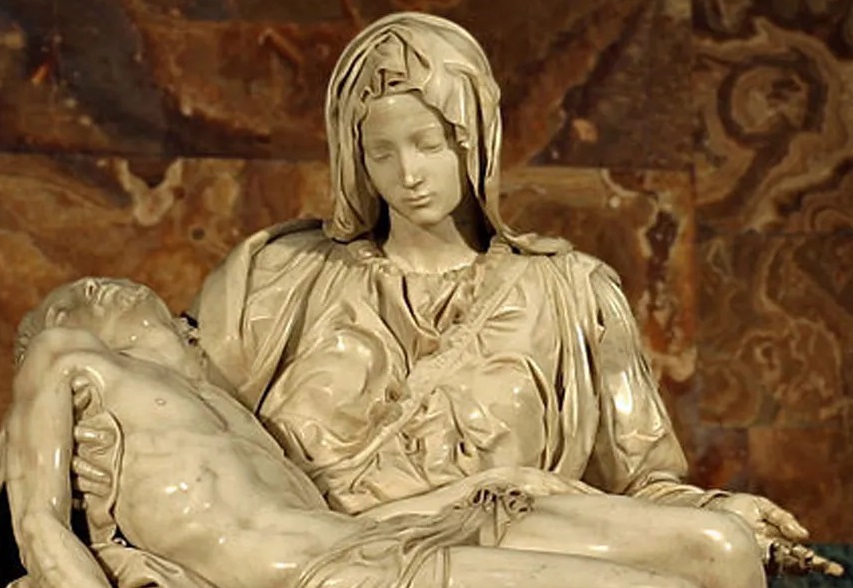
Michelangelo's Pietà
Italie -
Latium (Lazio) -
Ville métropolitaine de Rome Capitale -
Vatican