Michelangelo's Pietà
Audio guide in English
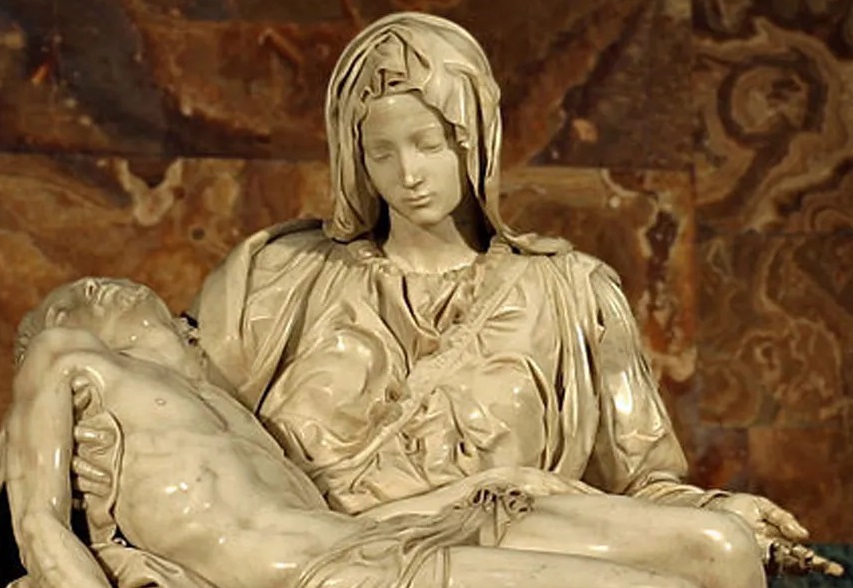
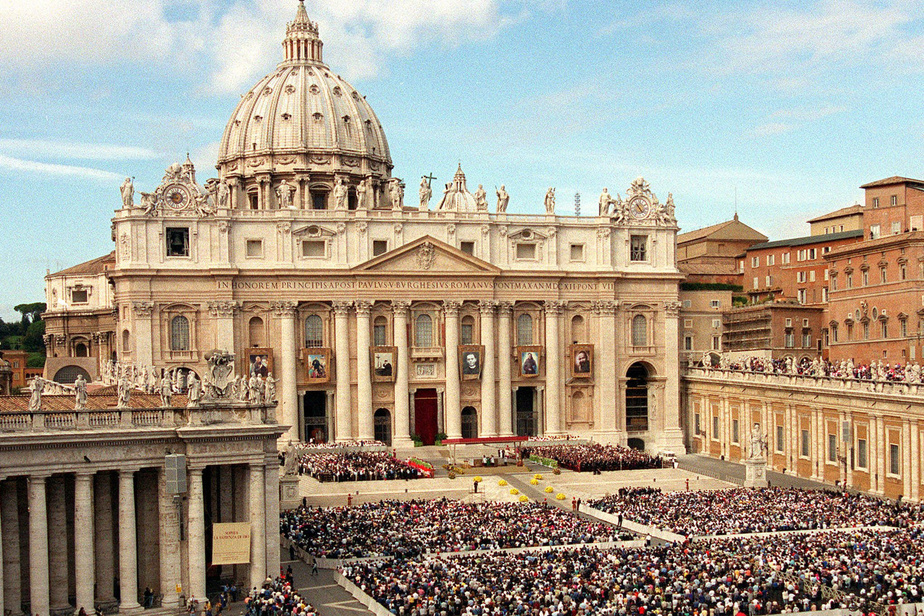
The Pietà is a marble sculpture by Michelangelo in St. Peter's Basilica in Vatican City, Rome. It is located at the far end of the first chapel on the right side of the nave, just beside the Holy Door.
It depicts the biblical theme of the "Sorrowful Virgin Mary" (Mater Dolorosa in Latin, or Pietà), holding the body of Christ on her lap after his descent from the Cross, before his Entombment, Resurrection, and Ascension. It was sculpted between 1498 and 1499.
The French Cardinal Jean de Bilhères (Jean Villiers de la Groslaye) was searching for "the most beautiful marble work in Rome" to adorn his tomb. He commissioned the young Michelangelo, then 24 years old, to create the Pietà. This was probably Michelangelo’s first major sculpture in which human emotions played such a central role, unlike some of his other masterpieces, such as David, where the figures are presented in a more detached pose. The end result is a moving work that effectively became “the most beautiful marble sculpture in Rome,” as his patron had requested.
The Pietà is not only Michelangelo’s most famous sculpture, but also the only one he signed. By looking closely at Mary’s garments, visitors can see the artist’s name engraved just below her breast. As art historian Giorgio Vasari explains, Michelangelo decided to sign his work after hearing passersby attribute it to another sculptor.