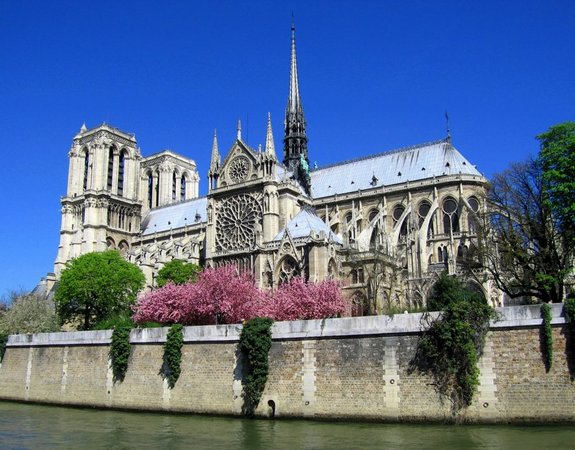
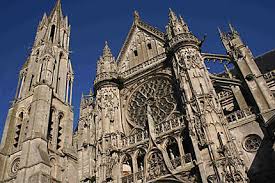
Notre-Dame de Paris Cathedral, commonly known as Notre-Dame, is one of the most emblematic monuments of Paris and France, located on the Ile de la Cité, and a place of Catholic worship, seat of the Archdiocese of Paris, dedicated to the Virgin Mary.
Begun at the instigation of Bishop Maurice de Sully, its construction spanned more than two centuries, from 1163 to the middle of the fourteenth century. After the French Revolution, the cathedral benefited between 1844 and 1864 from a major restoration, sometimes controversial, under the direction of the architect Viollet-le-Duc, who incorporated new elements and motifs. For these reasons, the style is not completely uniform: the cathedral has characters of early Gothic and radiant Gothic. The two rosettes, which adorn each of the arms of the transept, are among the largest in Europe.
It is linked to many episodes in the history of France. Royal parish church in the Middle Ages, it hosted the arrival of the Holy Crown in 1239, then the coronation of Napoleon I in 1804, the baptism of Henri d'Artois, the Duke of Bordeaux, in 1821, as well as the funeral of several presidents of the French Republic (Adolphe Thiers, Sadi Carnot, Paul Doumer, Charles de Gaulle, Georges Pompidou, François Mitterrand). It is also under its vaults that a Magnificat is sung during the liberation of Paris in 1944. The 850th anniversary of its construction is celebrated in 2013.
The cathedral inspires many artistic works, in particular the novel by Victor Hugo Notre-Dame de Paris published in 1831 and which partly influences its history. At the start of the 21st century, Notre-Dame was visited by some 13 to 14 million people each year. The building, also a minor basilica, is thus the most visited monument in Europe and one of the most visited in the world until 2019.
On April 15, 2019, a violent fire destroyed the spire and the entire roof covering the nave, the choir and the transept. This is the most important disaster suffered by the cathedral since its construction. Notre-Dame has been closed to the public for an indefinite period since that date.
The Kings and Queens of France
Historians still disagree about the Gallery of Kings: some believe the sculptures represent the kings of Judah and Israel—ancestors of the Virgin Mary—while others maintain they depict the kings of France, from Childebert to Philip Augustus. Revolutionaries settled the matter by cutting off their heads, indulging their primal urge to behead kings.
It was Eugène Viollet-le-Duc who reconstructed these statues in the 19th century—without forgetting to include himself, as the eighth statue from the left bears the famous architect's features.
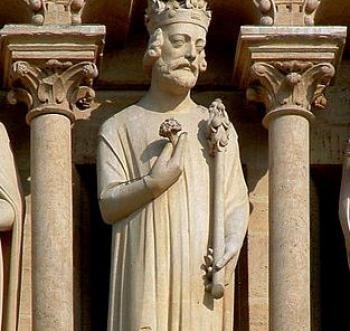
Despite the *sans-culottes* at Notre-Dame, the kings and queens of France remain present. Isabella of Hainaut, Queen of France and first wife of Philip Augustus, was buried in the choir of Notre-Dame Cathedral in Paris in March 1190; she rests there to this day.
Her son, Louis VIII "the Lion," married Blanche of Castile, who gave birth to Louis IX—the only French king to be canonized as Saint Louis. Statues of Saint Louis and his wife, Margaret of Provence, still stand on the cathedral's façades.
Two kings also hold a place of honor in the choir of Notre-Dame: the *Pietà*—depicting the Virgin Mary cradling the body of the dead Christ—is flanked by statues of Louis XIII and Louis XIV, the Sun King.
The North Portals
The Cloister Portal
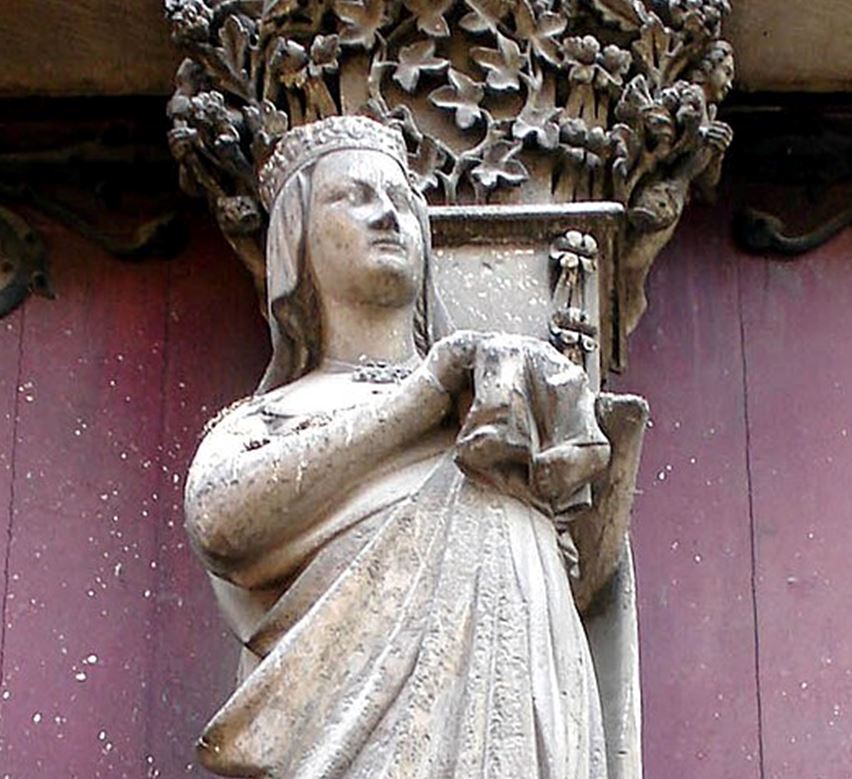
On the portal's central pillar (trumeau) stands a statue of the Virgin without the Christ Child. While the statue itself escaped destruction in 1793, the figure of the infant Jesus she once held was broken off. The sculptor used Louis IX’s wife,
Marguerite of Provence, as the model for the figure.
The Red Door
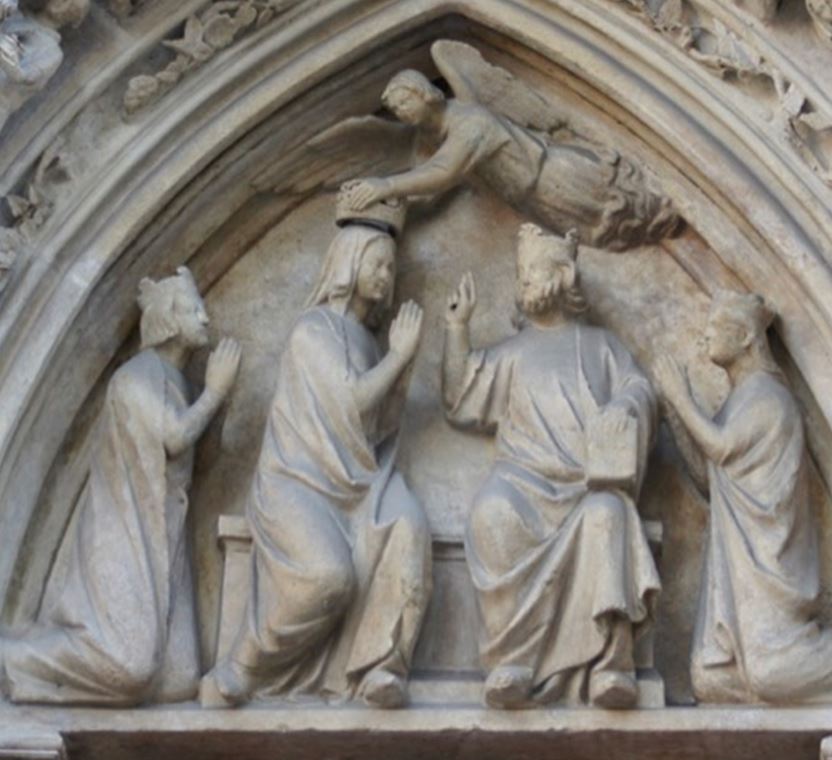
Not far from the Cloister Portal, the small Red Door (*Porte Rouge*) takes its name from the color of its door leaves. In the Middle Ages, red was a color reserved for women. In iconography, the Virgin—or "Our Lady"—is depicted wearing a red robe, as seen in the stained-glass window at Chartres Cathedral. From the Renaissance onwards, Mary is generally depicted in blue. In Christianity, red is also the color associated with the Passion of Christ and, by extension, with the liturgical vestments worn during Holy Week, the period preceding Easter. White is the color reserved for the Pope, while red is the color of cardinals' vestments.
The Red Door opens into a northern side chapel located at the third bay of the choir. Commissioned by Saint Louis, it was created by Pierre de Montreuil around 1270. It allowed the canons to reach services by providing a direct link between the cloister and the cathedral choir.
Saint Louis is depicted on the tympanum to the left of the Virgin, who is being crowned by an angel. Margaret of Provence, Saint Louis’s wife, is positioned to the right of Christ. Scenes from the life of Saint Marcel, Bishop of Paris in the 4th century, are depicted on the archivolts framing the tympanum.
Tour of the Notre-Dame Towers
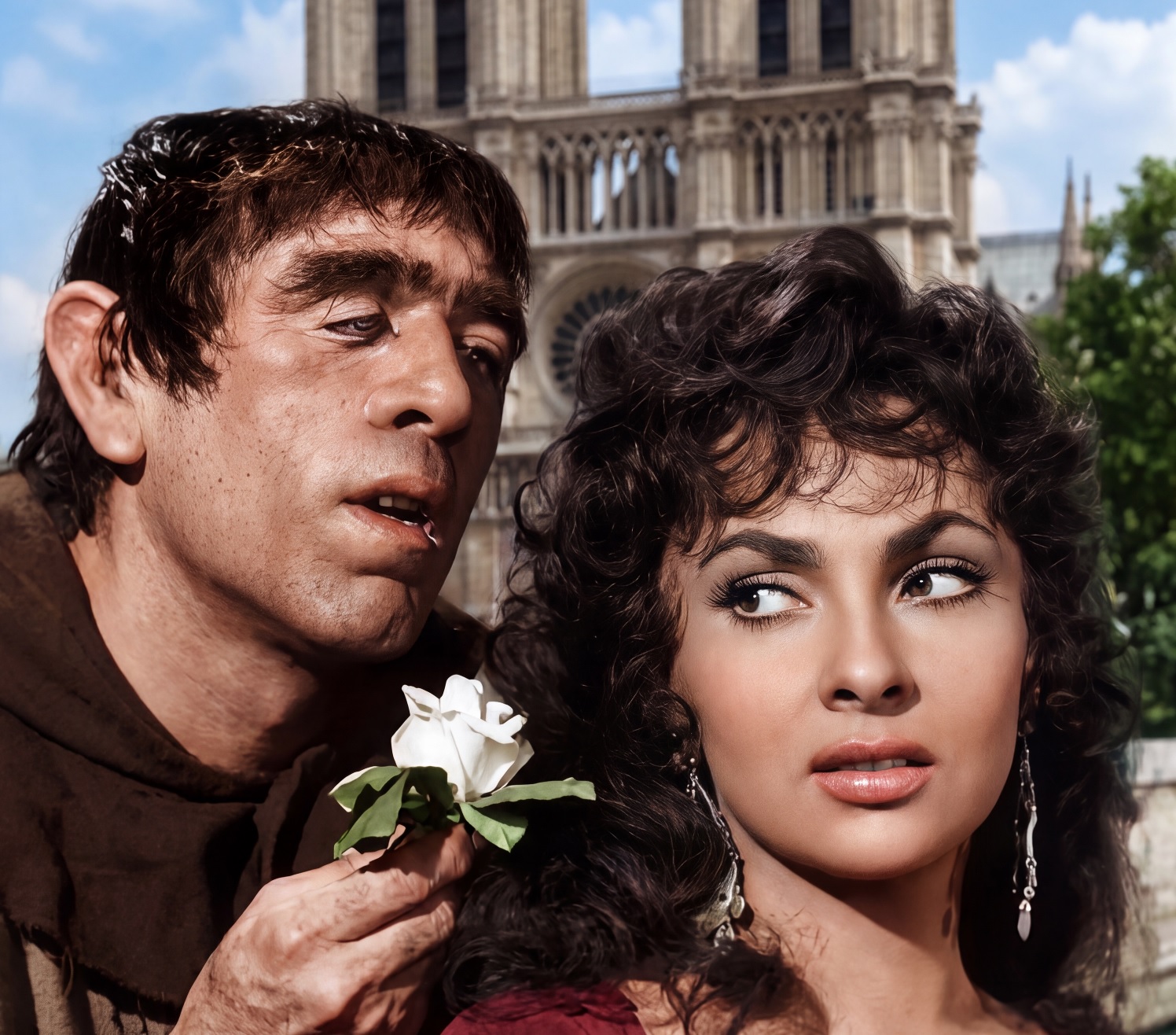
During your guided tour of the Notre-Dame towers—conducted in English—it is impossible not to pay tribute to Victor Hugo. At the time he published the novel featuring Quasimodo and Esmeralda, Notre-Dame Cathedral was in such a state of disrepair that plans were being made to demolish it. The book *Notre-Dame de Paris* was a massive popular success and helped Parisians realize the cathedral's value; ultimately, the building was saved.
Notre-Dame Forecourt
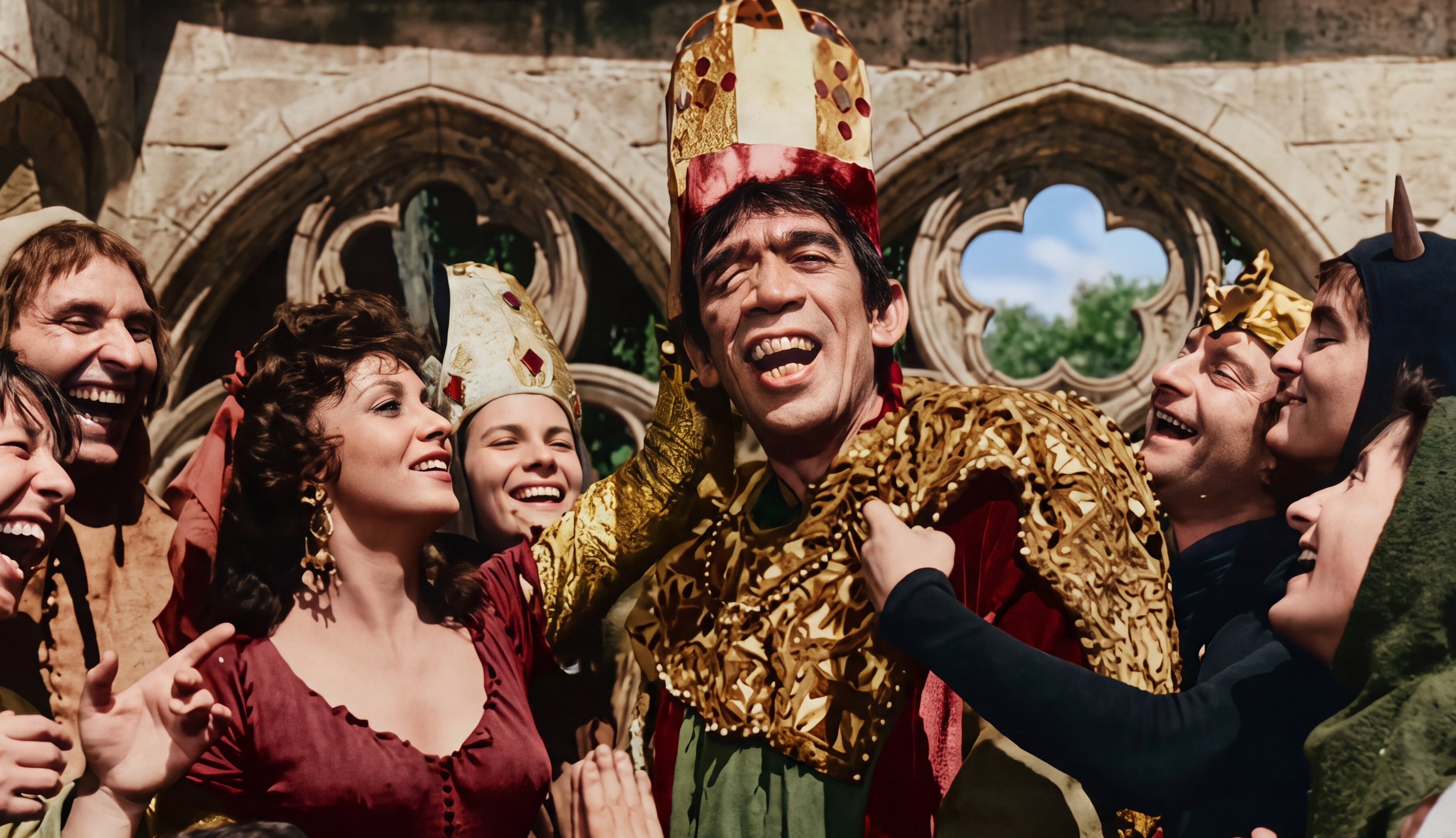
The novel opens with the Feast of Fools, an event held on the Notre-Dame forecourt from New Year's Day until Epiphany in 1482. During this raucous public celebration, the crowd would elect the "Pope of Fools" by choosing the person who could pull the most perfect—and most hideous—grimace. In Jean Delannoy’s 1956 film adaptation, it is the hunchback Quasimodo—played by Anthony Quinn—who is elected Pope of Fools, much against his will.
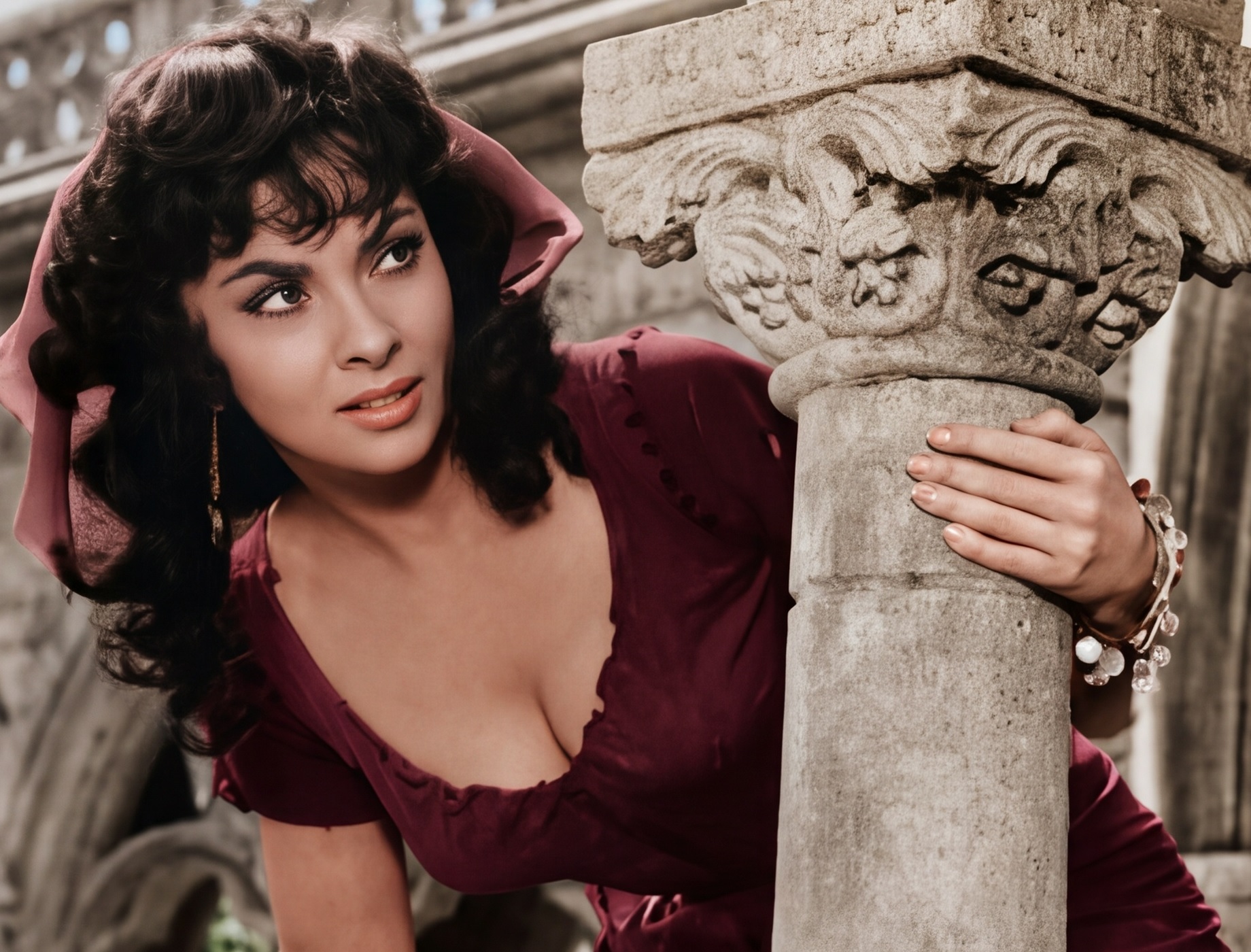
Esmeralda, played by Gina Lollobrigida, flees from the vile Frollo, who is consumed by an obsessive desire to possess the young Gypsy woman by force. She finds refuge inside the cathedral; In the Middle Ages, the Church was an inviolable sanctuary. The King's justice could not arrest someone there as long as they remained within the sacred precincts. Quasimodo welcomes her into his refuge high up in the towers of Notre-Dame. Quasimodo, rejected by society because of his appearance, falls deeply in love with Esmeralda. Their complex and moving relationship lies at the heart of Hugo's novel, embodying the universal quest for love and understanding.
The Stryge and the Chimeras
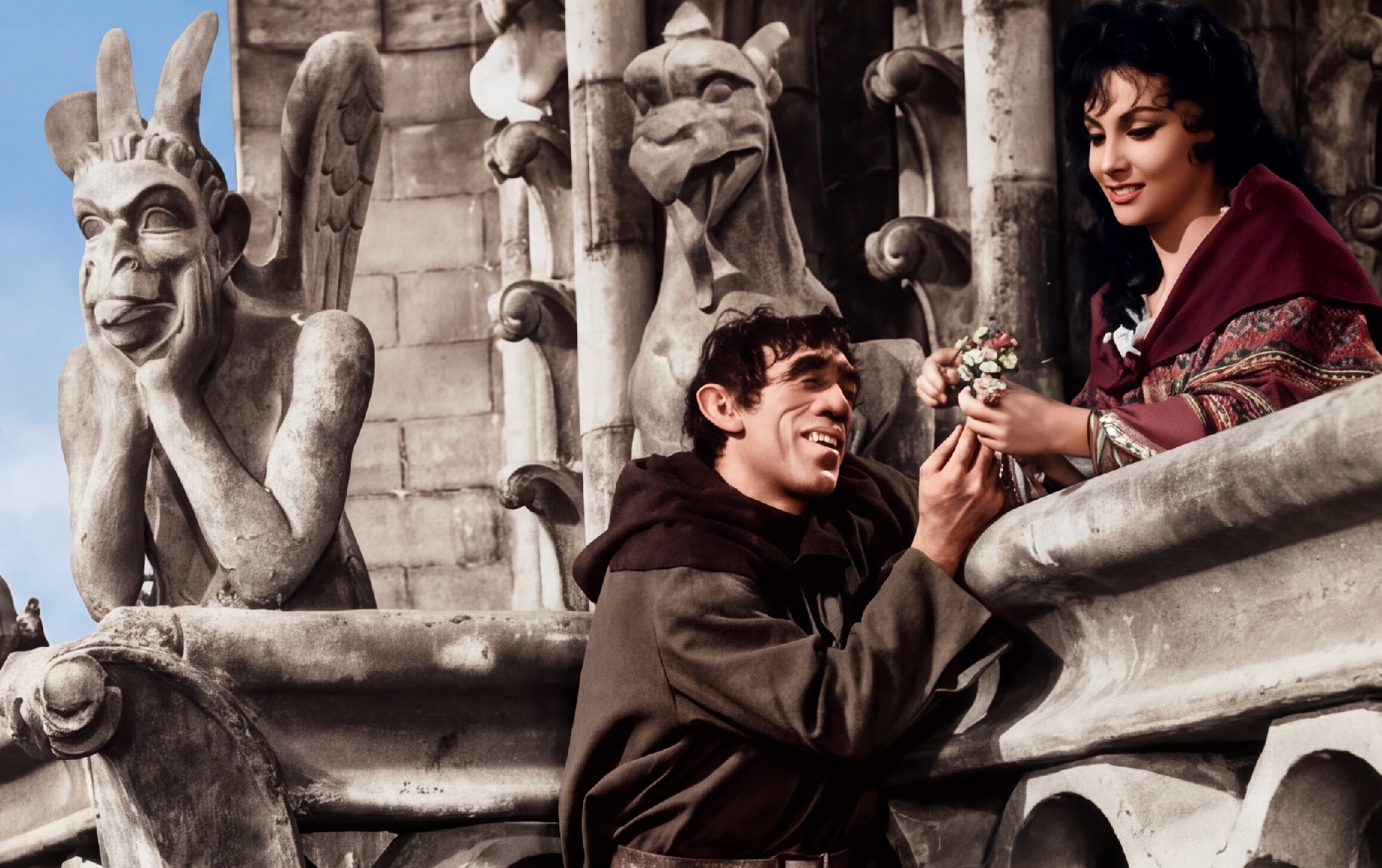
To Quasimodo, Esmeralda is at once the woman he secretly loves, his only benefactor, and a cherished friend. She is the first person to offer him water and treat him with humanity despite his ugliness, inspiring in him a pure love and absolute devotion that lasts until death. She was the only friend who had drawn him out of his profound solitude; in Victor Hugo's original work (*Notre-Dame de Paris*), Quasimodo is indeed described as spending hours crouching before the cathedral's statues, talking to them for lack of anyone else.
The most famous fantastical sculpture at Notre-Dame de Paris is the *Stryge* (the Strix), a horned, half-woman, half-bird demon resting its elbows on the balustrade of the north tower. Contrary to popular belief, this statue—and the cathedral's 53 other chimeras—do not date back to the Middle Ages; they were conceived in the 19th century by the architect Eugène Viollet-le-Duc.
The Bells
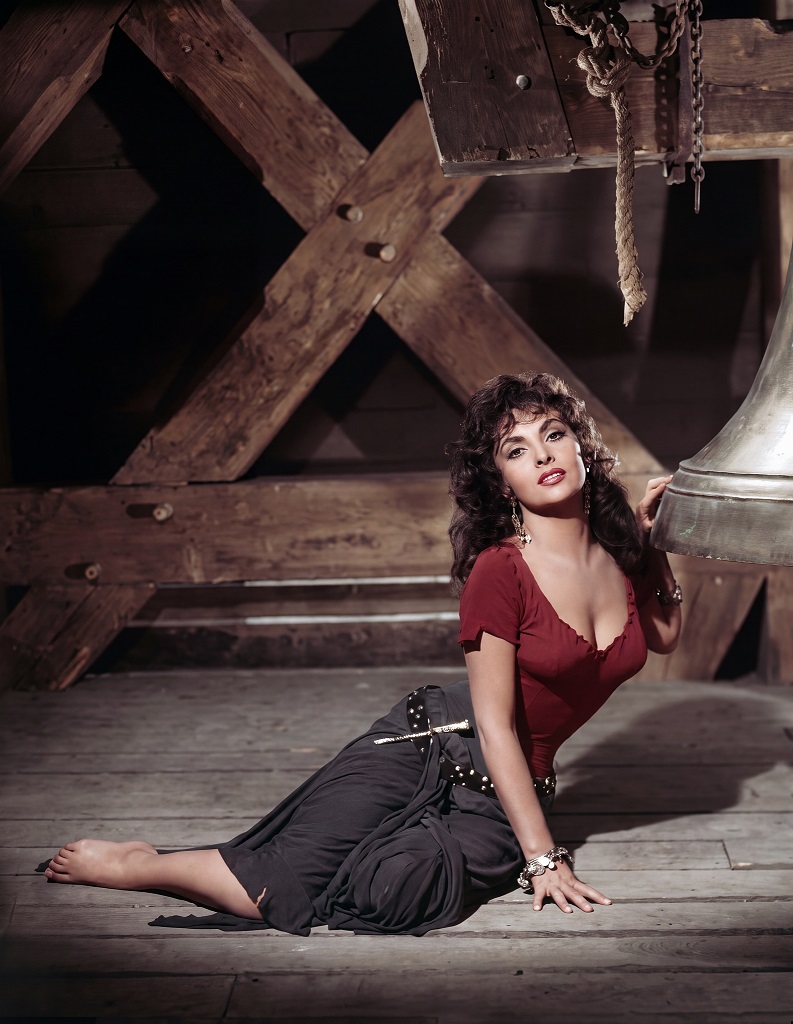
Quasimodo was the bell-ringer of Notre-Dame; it was hard, dangerous work. The largest bells weighed several tons.
Twenty-one bronze bells make up the Notre-Dame peal, with the great bell (*bourdon*) being the oldest. They ring out the hours and mark key moments in the life of the Church or the history of Paris. Each bears a name in honor of a prominent figure from the Church.
Visiting the towers of Notre-Dame is not free. Full price: €16. Tickets are not sold on-site; they are available online only.
The spectacular tour of the Notre-Dame de Paris towers begins with the ascent of the south tower. The first room offers an introduction to the cathedral's history, illustrated by scale models and original chimeras—testaments to the medieval imagination and the work of Viollet-le-Duc. In the second room, a soundscape immerses visitors in major events from French history, paced by the tolling of the famous great bells. The climb continues via a double-helix oak staircase—specially designed for this reopening—leading to the top of the south tower. At a height of 69 meters, a 360° panorama reveals Paris and the Notre-Dame spire, complete with orientation tables to help identify landmarks. The descent leads through the *Cour des Citernes* (Cistern Courtyard), offering unique access to the great bells and an unprecedented view of the restored "Forest" roof framework. The route also allows visitors to admire the iconic chimeras up close. Finally, the descent from the north tower is accompanied by an immersive soundscape, designed to offer a soothing moment and gently conclude this exceptional visit.
The Treasury of Notre-Dame
The Crown of Thorns
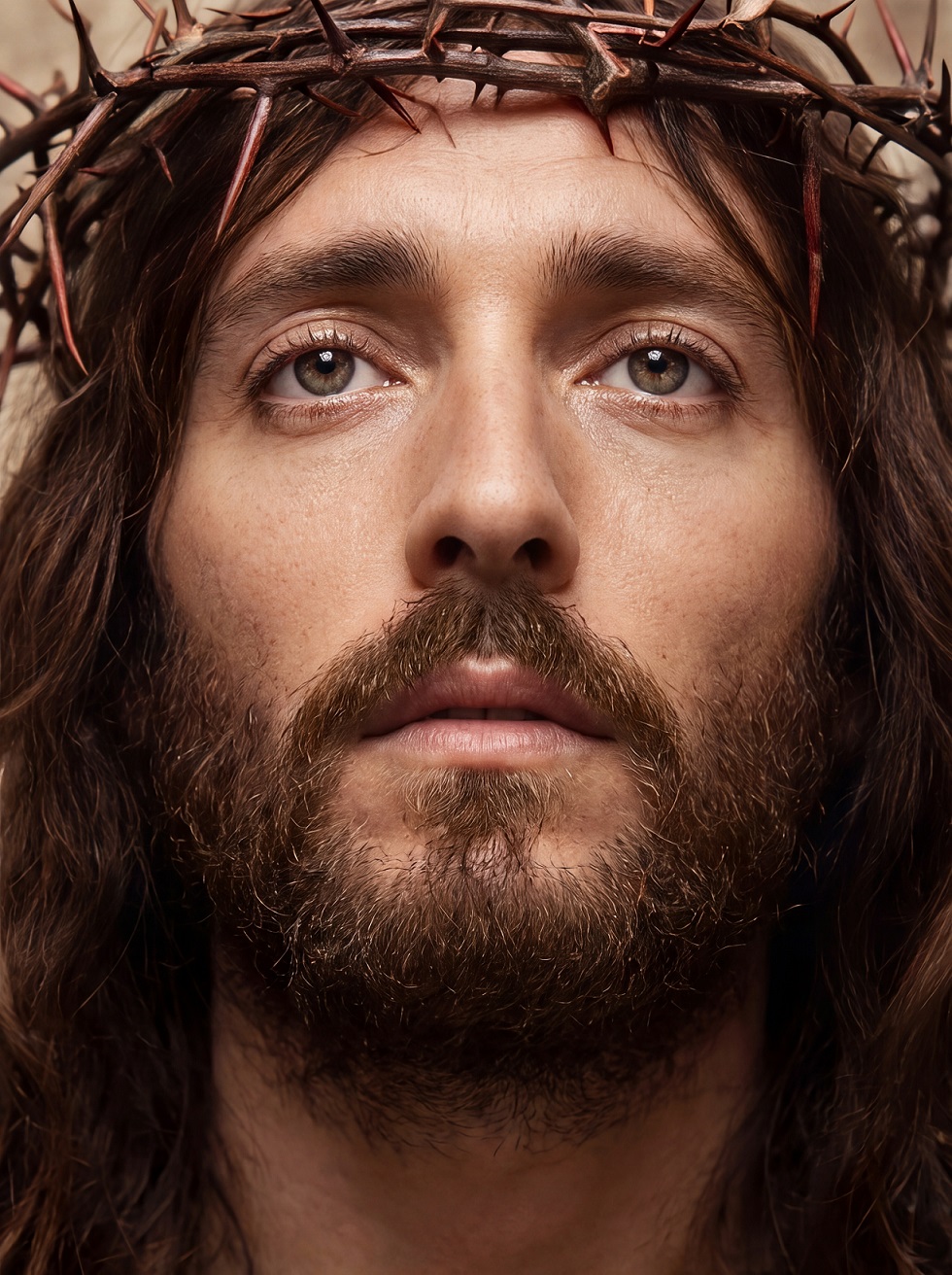
Far more sacred than the Holy Shroud, the Holy Grail, or the Ark of the Covenant, the Holy Crown of Thorns is the most precious object of the Christian faith. Worn by Jesus at the time of his death, it has become the central emblem of Christianity, signifying redemption, the forgiveness of sins, and the victory of life over death through the resurrection in the Kingdom of God.
History of the Holy Crown of Thorns
Jesus' entry into Jerusalem (Palm Sunday) is recounted in the four Gospels. Holy Scripture speaks of a "great crowd" in a state of agitation. After three years of preaching, Jesus was followed by a small group of a few hundred Jewish disciples in Galilee and Judea, the twelve apostles, and a circle of believers estimated at several thousand people.
Because of his popularity, Jesus was crucified; he disturbed Jewish religious leaders and was perceived by the Romans as a political threat.
The accusation of being the "King of the Jews" was the primary charge that led to his condemnation to death by the Roman authorities.
In his Gospel, John recounts how Roman soldiers, on the night leading into Good Friday, mocked Christ and his kingship by mockingly crowning him with a wreath of thorns.
Early Christians preserved all the objects associated with the Passion of Christ following the crucifixion.
In 324, Emperor Constantine named his mother Helena "Augusta"—Empress. She decided to embark on a pilgrimage to the Holy Land.
In 326, Helena was warmly welcomed by the Christian community of Jerusalem; she arrived with the full might of Rome to dismantle pagan temples and replace them with churches. Christian families presented her with the crown that had been passed down through generations, in accordance with tradition. The Catholic Church canonized the empress; Saint Helena’s feast day is celebrated on August 18.
The Crown of Christ was kept and venerated at the Holy Sepulchre until the end of the 4th century.
Fearing invasion—first by the Persians and later by the Arabs—the relic was transferred from Jerusalem to Constantinople, the capital of the Roman Empire.
Emperor Baldwin II of Constantinople, burdened by debt, pledged the crown as security to Venetian bankers.
Saint Louis purchased the Holy Crown for the astronomical sum of 135,000 *livres tournois*—equivalent to half the annual revenue of the French royal domain.
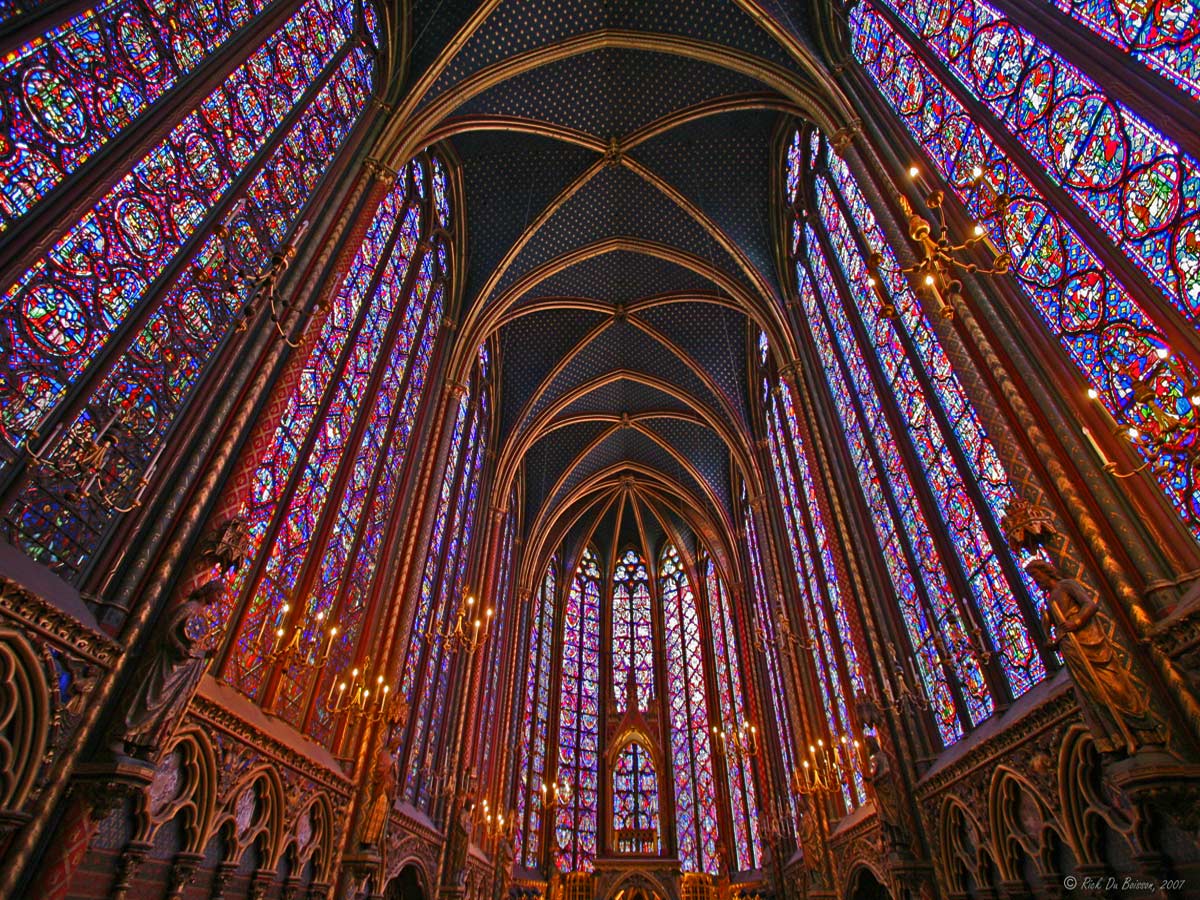
To house this sacred object—which had been temporarily deposited at Notre-Dame de Paris—the Sainte-Chapelle was built in the center of Paris on the Île de la Cité; the ceremony of its transfer took place there in 1248, two months before the King’s departure for the Crusades.
Guided Tour of the Treasury
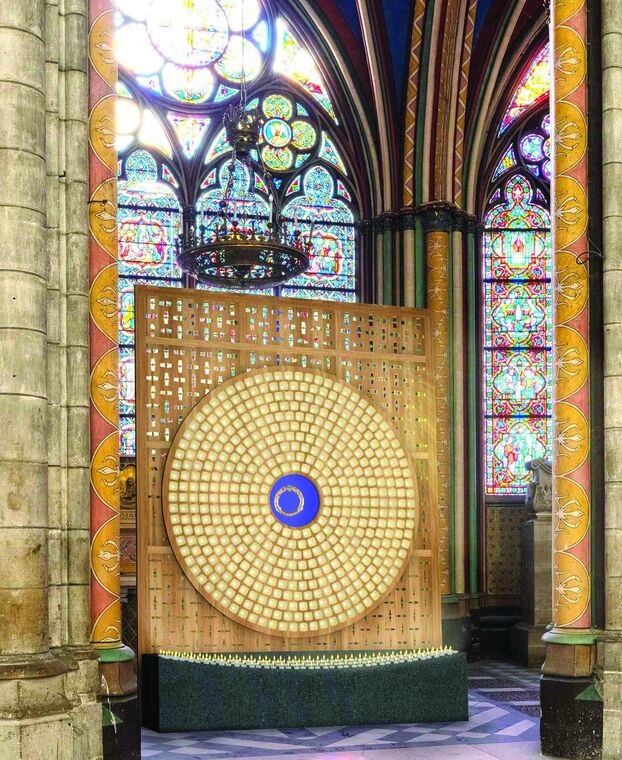
The Crown of Thorns can be viewed at Notre-Dame Cathedral in Paris. It is displayed on Fridays from 3:00 PM to 6:30 PM (shown in its reliquary, or venerated in a special ceremony on the first Friday of the month). To plan your visit or check the exact opening hours, you can visit the official website of Notre-Dame Cathedral in Paris.